
Population ~6,000 | 47.8 square miles
Salem Township was settled in 1765. The families that have farmed this land for generations understand something that outside activists don’t: the land is the livelihood, and protecting the livelihood sometimes means being open to what’s under it. With a population that’s been trending down for a decade and a rural economy that can’t compete with Pittsburgh’s job market, energy development isn’t a threat to Salem Township’s character. It’s one of the best ways to preserve it.
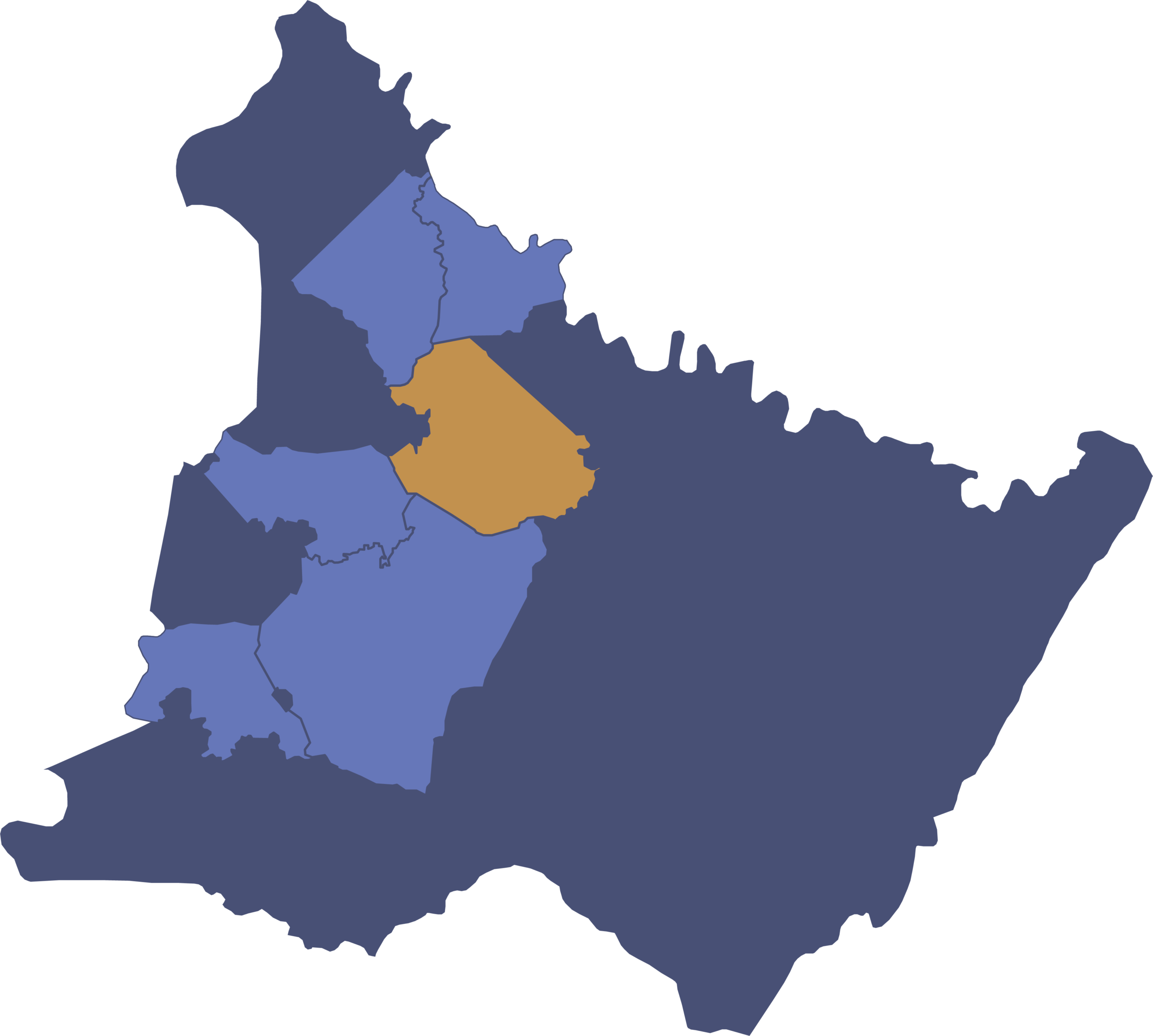
BY THE NUMBERS
POPULATION:
~6,000 — down from 6,083 in 2020, projected to continue declining at -0.4% annually
MEDIAN HOUSEHOLD INCOME:
$80,293 — above both the county and state median, reflecting working homeowner households
MEDIAN AGE:
55 years — the oldest median age of any township in the CEC coalition; a large retiree and near-retiree population with fixed incomes sensitive to property tax increases
AREA:
47.8 square miles — significant open, agricultural land throughout the township
Over 250 local businesses operate in Salem Township, concentrated along U.S. Route 22
County unemployment: approximately 3.9% — local job opportunities are modest; energy sector employment pays significantly above regional averages
Westmoreland County municipalities have received more than $2 million annually in direct impact fee distributions in peak drilling years
Slickville Historic District and Hannastown Farm are listed on the National Register of Historic Places — both coexist with energy development in comparable Pennsylvania communities
Greensburg Salem School District enrollment: 2,502 students — a district funded in part by the property tax base of Salem Township
WHY IT MATTERS HERE

Salem Township landowners hold one of the most valuable assets in Westmoreland County: large parcels of rural land over the Marcellus Shale. A lease signing bonus alone can represent years of farm income. Royalties of 12.5% to 20% of production continue for the life of the well.
The township’s oldest residents — median age 55, many on fixed incomes — are most exposed to property tax increases. Natural gas impact fees distributed to Salem Township government reduce that exposure directly.
Population decline is the quiet crisis in Salem. Young families leave for Pittsburgh. Farms get sold off. Energy development creates local employment — construction, operations, logistics — that gives working-age residents a reason to stay.
The Slickville Historic District has coexisted with energy-related development in Westmoreland County for decades. A well pad occupies two to five acres. The historic character of the community is not at risk.