
Population ~2,080 | 22.1 square miles
Bell Township has 2,080 residents and 22 square miles of rural land sitting directly over the Marcellus Shale. No commercial sprawl. No traffic. And almost no tax revenue beyond what those 2,000 residents carry. For a township this size, natural gas development is one of the only real mechanisms available to generate meaningful public revenue and private landowner income without raising taxes on the same people who already carry the entire load.
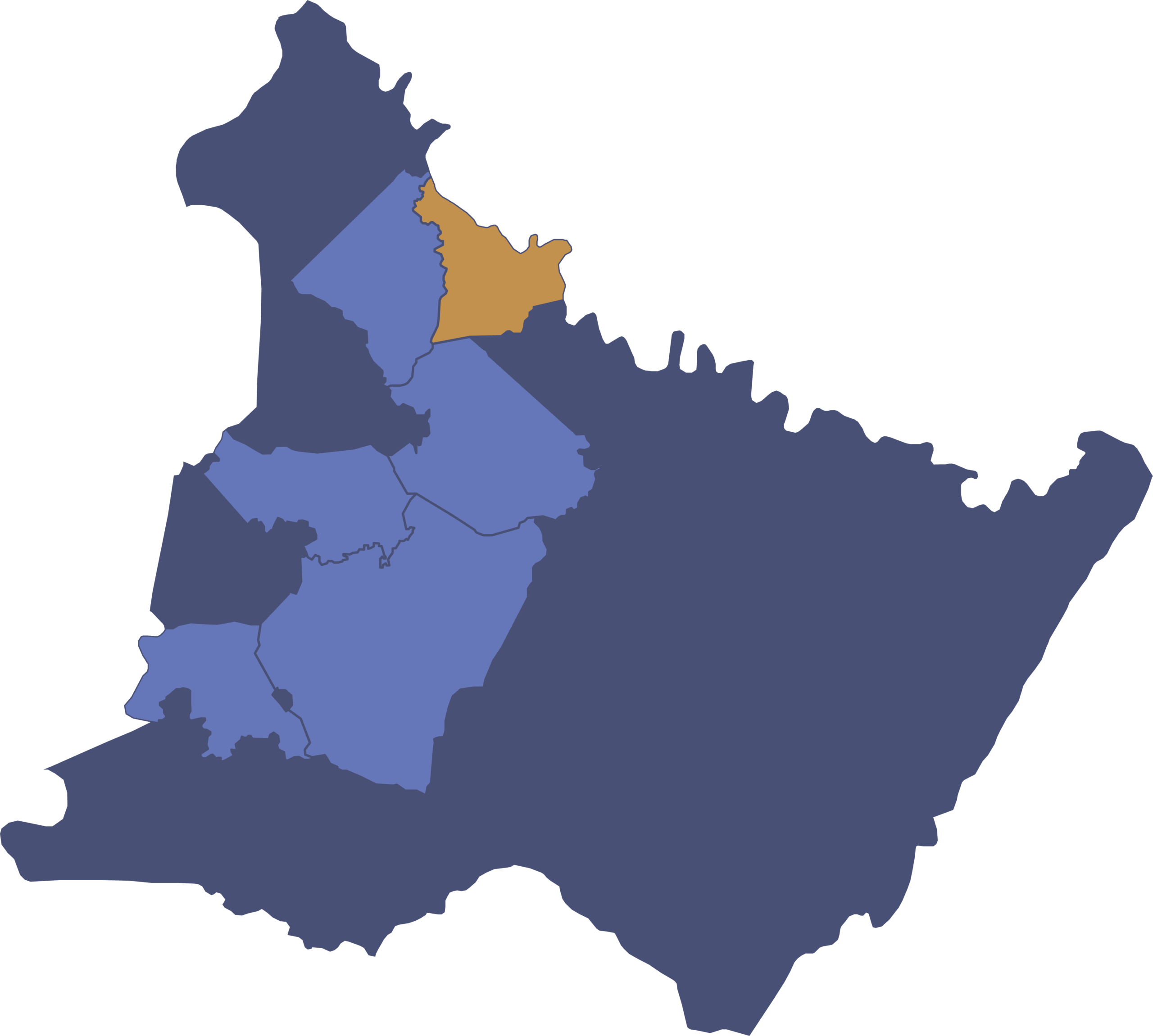
BY THE NUMBERS
POPULATION:
~2,080 — one of the smallest townships in Westmoreland County
POPULATION DENSITY:
96.8 people per square mile — low enough that well pad activity has minimal impact on residential daily life
LOCATION:
13-22 miles north of Greensburg — limited access to municipal services and commercial tax revenue
AREA:
22.1 square miles — predominantly rural and agricultural
Bounded by the Kiskiminetas River to the east and Beaver Run Reservoir to the west — both protected under PA DEP water quality and setback requirements
Incorporated in 1853 from parts of Loyalhanna and Salem townships — a community with deep agricultural roots and large established land holdings
Westmoreland County cumulative Act 13 impact fee receipts: $3.6 million+ annually in peak years — townships with active wells receive the largest per-resident distributions
Natural gas wells in comparable small PA townships have generated six-figure annual royalty income for individual landowners — the kind of revenue that keeps a family farm viable for another generation
WHY IT MATTERS HERE

In a township of 2,080 people, even a modest impact fee distribution represents a meaningful per-resident investment in roads, EMS, and infrastructure. Active drilling means more wells, more fees, more money for a community with few other ways to generate public revenue.
Bell Township landowners hold large parcels over active shale formations. A signing bonus alone — paid upfront at lease execution — can represent more than a year of farm income. Royalties of 12.5% to 20% of production continue for the life of the well.
Rural EMS coverage in Bell Township is already stretched. The township sits 13-22 miles from Greensburg — response times depend on equipment and staffing that cost money. Impact fee revenue funds exactly that.
Beaver Run Reservoir is a public water supply. It is protected by PA DEP setback requirements that create mandatory buffer zones between well pads and water sources. Those requirements are enforced conditions of every permit. No operator drills in violation of them and keeps their permit.