
Population ~41,600 | 76.8 square miles
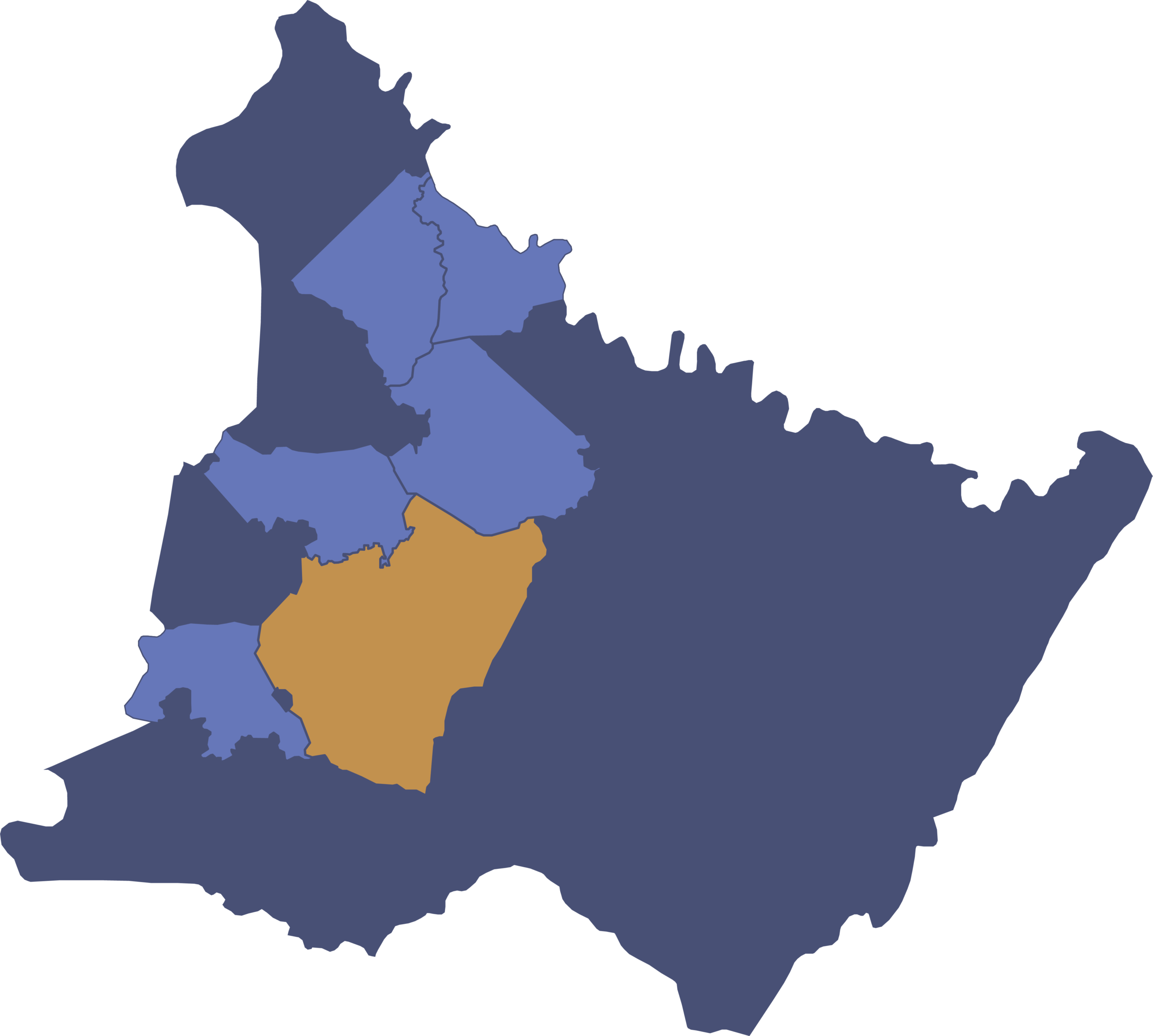
Hempfield Township is the biggest township in the Pittsburgh metro — bigger than any suburb in Allegheny County. It stretches 77 square miles, contains everything from dense suburban neighborhoods near Greensburg to open farmland in its western reaches, and carries the budget responsibilities of a small city. Natural gas development isn’t an abstract debate here. It’s a direct opportunity to generate revenue for a township of 41,000 people without raising a single tax.
BY THE NUMBERS
POPULATION:
~41,600 — the largest suburb in the Pittsburgh Metropolitan Area by population
MEDIAN HOUSEHOLD INCOME:
$82,705 — slightly above the Westmoreland County median of $74,109
MEDIAN AGE:
49.1 years — an older community where fixed-income households feel property tax increases the hardest
AREA:
76.8 square miles — substantial rural and agricultural land in the western portions of the township
Over 16,000 households — the tax base of a mid-size city in a township structure
Home to a significant commercial corridor anchored by Route 30 and the Greensburg area — local businesses that benefit directly from increased workforce activity
Westmoreland County municipalities have received more than $2 million annually in direct impact fee distributions in peak drilling years
Impact fee funds can be used for road and bridge repair, EMS equipment, water and sewer infrastructure, and public safety — all line items in Hempfield’s budget
WHY IT MATTERS HERE

At 76.8 square miles, Hempfield has more land than many Pennsylvania boroughs combined. Landowners in the township’s agricultural west and north hold mineral rights that represent real, untapped financial value — lease income and royalties that accrue directly to families, not to the government.
Hempfield’s aging population is the group hit hardest by rising property taxes. Impact fee revenue — distributed annually under Act 13 — provides municipal funding that can hold the line on residential tax rates.
The Greensburg commercial corridor already sees economic activity from regional construction and energy projects. Sustained gas development sustains that activity: fuel, equipment, lodging, food, and services all purchased locally.
Hempfield Township’s road network covers one of the largest footprints in the county. Impact fee dollars can be directed specifically to rural road maintenance — work that benefits every resident regardless of their position on energy development.